
Strings of Identity: José White and the Soul of Cuban Classical Music
Discover the life and legacy of José White, the Cuban violin virtuoso and composer whose elegance, artistry, and beloved La Bella Cubana helped define the soul of 19th-century Cuban classical music.
Maestro Ramirez Publishing
6/15/20264 min read
Strings of Identity José White and the Soul of Cuban Classical Music
Explore how one virtuoso violinist helped define 19th-century Cuban musical elegance.
A Cuban Virtuoso with a Universal Voice
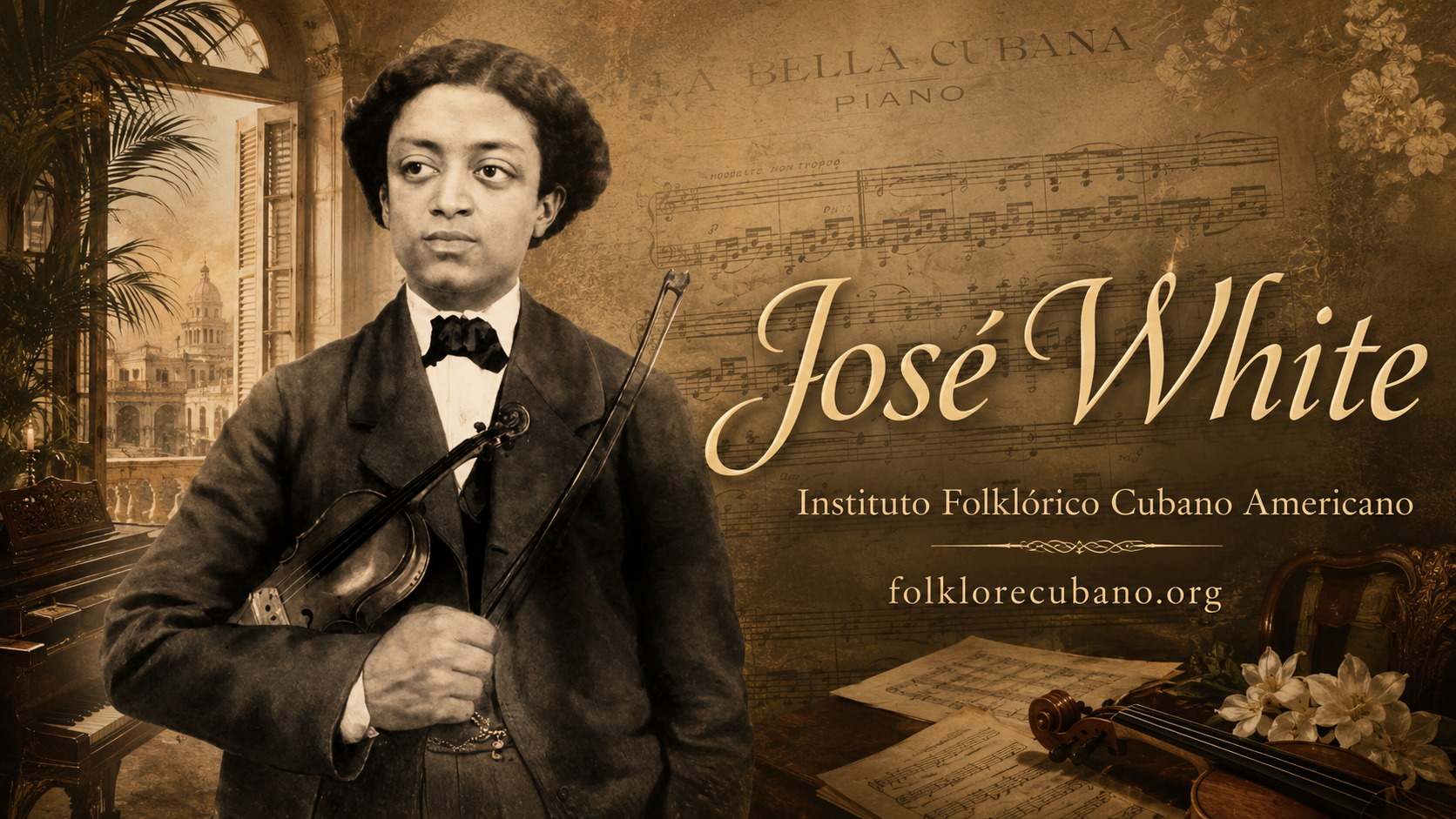
José White Lafitte stands among the most important figures in Cuban classical music. Born in Matanzas, Cuba, in 1836, White became known internationally as a brilliant violinist, composer, and educator whose artistry traveled far beyond the island. His music carried the refinement of European Romanticism while preserving the warmth, rhythm, and graceful sentiment of Cuban identity. (Wikipedia)
In an era when Cuba was shaping its cultural personality, White’s violin became more than an instrument. It became a voice of elegance, memory, and national feeling.
Matanzas, Music, and Early Promise
White’s musical journey began in Matanzas, one of Cuba’s great cultural cities. From an early age, his talent was evident, and his first major concert in 1854 helped open the door to a remarkable career. The famous pianist and composer Louis Moreau Gottschalk encouraged him to continue his studies in Paris, where White would refine his gift and enter the world stage. (Wikipedia)
At the Paris Conservatory, White earned distinction, winning the First Grand Prize in violin in 1856. This achievement placed him among the respected virtuosos of his time and proved that a Cuban-born artist could stand confidently within the highest circles of classical music.
European Technique, Cuban Soul
José White’s artistry reflected a beautiful balance: European discipline and Cuban feeling. His violin writing demonstrated technical brilliance, lyrical expression, and Romantic-era sensitivity. Yet beneath the polished surface, his Cuban heritage remained present.
This is what makes White so important. He did not simply imitate European music. He absorbed its techniques and gave them a Cuban spirit. His works remind us that classical music in Cuba was never merely imported; it was transformed by local identity, emotion, rhythm, and cultural memory.
La Bella Cubana: A Musical Portrait of the Island
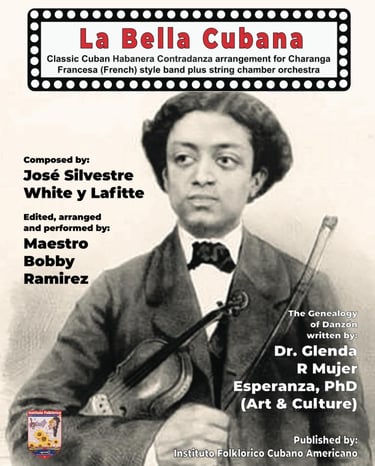
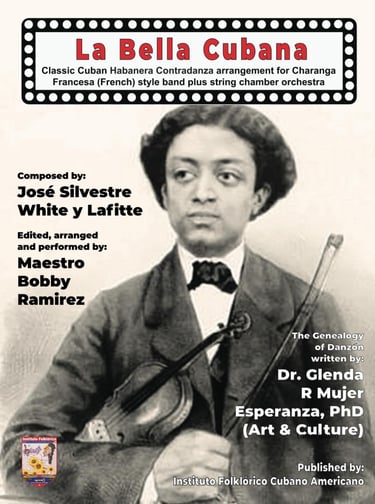
White’s most beloved composition, La Bella Cubana, remains one of the great gems of Cuban classical music. Often described as a habanera, the piece captures elegance, nostalgia, and tenderness in a way that feels unmistakably Cuban. (National Museum of African American History)
Its melody sings with romantic beauty, but its rhythm gently recalls the island’s dance traditions. In only a few minutes, La Bella Cubana paints a portrait of Cuba: refined, graceful, emotional, and deeply musical.
For many listeners, the piece is not just a concert work. It is a memory of homeland.
A Life Across Nations
White’s career carried him from Cuba to France, Brazil, and beyond. He became director of the Imperial Conservatory in Rio de Janeiro and served as a court musician in Brazil before returning to Paris later in life. (Wikipedia)
This international journey gave him prestige, but it did not erase his Cuban roots. Like many great artists of the 19th century, White lived between worlds. He belonged to the concert halls of Europe, yet his musical heart remained connected to the Caribbean.
Why José White Still Matters
José White matters because he represents a powerful truth: Cuban classical music has always been part of the larger story of Cuban folklore, identity, and cultural refinement. His legacy reminds us that folklore is not limited to rural songs, street dances, or oral traditions. It also lives in the concert hall, in chamber music, in salon elegance, and in the artistic voices that carry a nation’s spirit into written composition.
Through his violin, José White gave Cuba a sound that was sophisticated without losing its soul. His music continues to speak because it carries both beauty and belonging.
A String That Still Resonates
More than a century after his passing, José White’s name continues to shine in the history of Cuban music. His violin sang with discipline, elegance, and emotion, but also with identity. In La Bella Cubana and in his larger body of work, we hear the voice of a Cuban artist who helped prove that the island’s classical tradition could be both worldly and deeply national.
José White did not only play the violin. He helped string together a musical identity.
Related Hashtags:
#JoseWhite #LaBellaCubana #CubanClassicalMusic #CubanMusicHistory #CubanFolklore #MatanzasCuba #CubanComposers #ClassicalViolin #Habanera #CubanHeritage #AfroCubanHistory #LatinAmericanClassicalMusic #FolkloreCubano
Maestro Ramirez Publishing
Explore our collection of captivating published works.
Contact:
© 2025. All rights reserved.
Email: